From scooters to shampoo – the people saving hundreds from dumpster diving
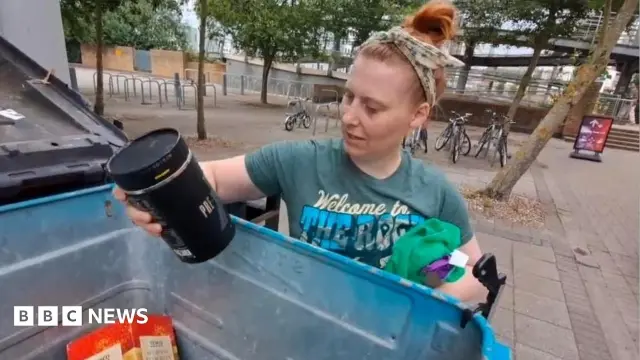
Darryl Baker, a thrifty freelance journalist and mother of two from north London, was taken aback when she repeatedly discovered piles of clothes discarded next to the recycling bins outside her local supermarket. On multiple occasions, beyond just clothing, she found other items such as a good-quality Ikea picture frame and children’s scooters. Motivated by both the desire to save money and frustration at the waste, Darryl asked supermarket staff for permission to take some of the discarded goods. With the green light granted, she managed to completely renew her children’s wardrobes and has even stored away items for years ahead. Over a six-month period, Darryl estimates these efforts saved her hundreds of pounds.
Darryl not only rescues clothing for her children but also extends the benefit to her nephews and nieces, keeping some items for herself as well. Other finds she donates or sells, recently earning £30 from a men’s Barbour jacket she salvaged. She is part of a growing community known as dumpster divers—people who search through commercial trash bins to reclaim useful objects. Their motivations vary but often include saving money, supporting charitable causes, and protesting wastefulness. Darryl reflects on the high-end brands she has come across, naming Ralph Lauren, Nike, and The North Face, astonished by how much valuable merchandise is simply left on the ground.
This practice, once considered taboo, now boasts proponents like Texan Jeff Ferrell who has been dumpster diving for over 50 years. At 72, Jeff continues this daily exercise around Fort Worth, viewing it as a mix of “Robin Hood” philosophy and anarchist direct action, mainly foraging in wealthier neighborhoods and often redistributing his finds. Nearly everything in Jeff’s household arrives from this activity, including essential goods like toiletries, clothing, tools, and garden supplies. He supplements his income by selling scrap metal collected from dumpsters and valuable items such as antiques on eBay, estimating the total worth of his annual finds in the tens of thousands of dollars.
Other individuals have adopted dumpster diving with particular creative or practical goals. London stylist Millie Diamond uses her discoveries to upcycle fabrics and clothes into new fashion pieces, sharing her exploits on Instagram. Meanwhile, Essex resident Charlotte Bayford times her outings to coincide with university term breaks, benefiting from students discarding half-used toiletries and other items. Charlotte, who hasn’t bought shampoo in eight years thanks to her finds, uses many items personally and donates others to charity. Both Jeff and legal experts acknowledge that while dumpster diving can be legally complex—various US cities forbid it, imposing restrictions and even trespassing charges —in the UK, the situation depends on the context. Experts advise obtaining permission from the owner to avoid legal issues, even when goods appear genuinely discarded
On air now
Mid Morning Marathon