Pound rises to its highest level since the Brexit referendum
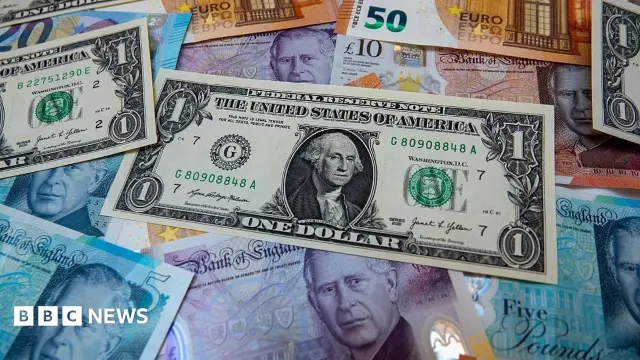
Following the Brexit referendum in June 2016, the value of the British pound experienced a significant decline. This downward trend persisted through various challenging periods, including the ongoing Brexit negotiations, the Covid-19 pandemic, and the 2022 mini-Budget, which further weakened sterling.
Recent market sentiment appears to be shifting as some traders view the UK more positively. Factors contributing to this improved perception include relatively stable politics, solid economic growth, and a warming of relations with the European Union. Such developments have influenced sterling’s performance, which has shown marked sensitivity to political developments and uncertainty surrounding Brexit in recent years.
Economist and former Treasury minister Jim O’Neill commented on the situation by stating, “I’m not surprised. People were, and to a lesser extent, are, underestimating the improving momentum in the UK.” A stronger pound is beneficial as it can help curb inflation and boost consumer purchasing power, particularly for imported goods and overseas travel.
Despite the UK’s economic growth surpassing expectations earlier this year, rising energy and fuel costs have started to dampen consumer confidence. Against this backdrop, the Bank of England’s Monetary Policy Committee, consisting of nine members, is set to make a key decision on interest rates on Thursday. The market widely anticipates the first rate increase in three years as a response to current economic conditions
On air now
Gentle Juice