Leonid meteor shower 2026: How and when to see it this weekend
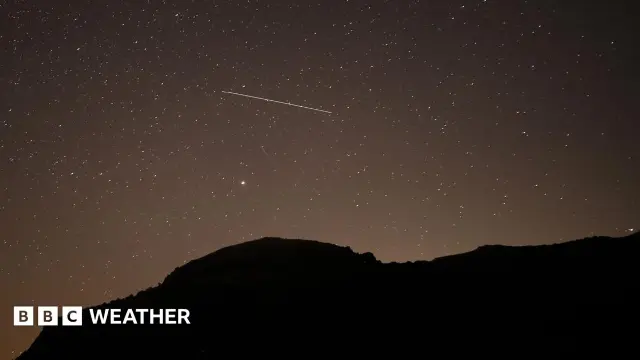
The Leonid meteor shower is expected to put on a spectacular show for observers across the UK throughout November. This annual event, which has already begun, will continue until the end of the month, reaching its highest intensity on the night of 17 November. During the peak, enthusiasts may witness as many as 10 to 15 meteors streaking across the sky each hour.
These meteors originate from dust particles left behind by Comet 55P/Tempel-Tuttle as it orbits the Sun. When these tiny fragments enter Earth’s atmosphere, they do so at an incredible speed—up to 44 miles (71 kilometers) per second—making Leonid meteors among the fastest visible from our planet. Their rapid movement creates bright, brief trails illuminating the night.
For the best chance to view the Leonids, experts recommend heading to a dark spot, away from artificial lights like street lamps. No special equipment, such as binoculars or telescopes, is necessary since the meteors are plainly visible to the naked eye. Allowing your eyes 20 to 30 minutes to adjust to the darkness improves visibility, and choosing a wide-open area provides an unobstructed view. While meteors can appear anywhere in the sky, their radiant point—the area they seem to emerge from—is near the head of the constellation Leo, so focusing in that direction is advisable. Clear skies will greatly enhance the viewing experience.
Unfortunately, the weather forecast for the upcoming weekend may not be ideal for sky gazers hoping to catch the early part of the shower. Though rain is not expected to be widespread, many regions are likely to experience substantial cloud cover, potentially blocking the meteors from view. Southern and western parts of England and Wales are predicted to have the clearest skies on Friday and Saturday nights, whereas northern England, Northern Ireland, and Scotland may face more cloudiness. By Sunday evening, clearer conditions might spread across more areas, but patches of fog could also develop, possibly obscuring the shower. Temperatures will fall into single digits overnight, with a slight risk of frost, so warm clothing is recommended for anyone planning to spend time outside at night. Viewing prospects improve closer to the shower’s peak in mid-November, when the Moon will be below the horizon at midnight, reducing light pollution and offering better visibility
On air now
Juice Weekend Breakfast