Dormouse numbers may be helped by warmer summers – survey
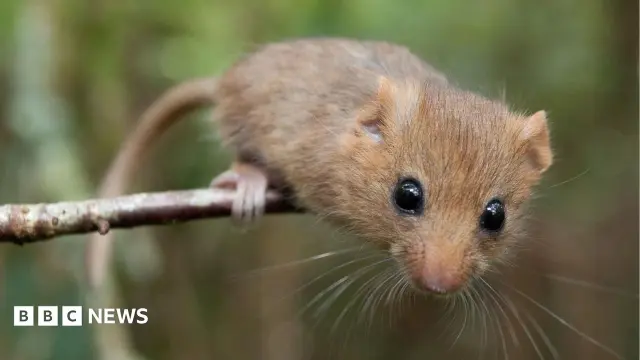
Conservationists emphasize that despite some encouraging signs, many aspects of the hazel dormouse’s future remain uncertain. They stress the importance of safeguarding the woodlands and hedgerows that are critical habitats for the species if it is to survive in the long term. The hazel dormouse is the only dormouse species native to the UK and was once commonly found across much of the country. However, its range has contracted significantly, now mainly limited to southern England and parts of Wales. Habitat loss has been a major factor in their decline, with native populations disappearing from approximately 20 English counties.
Since 1998, the National Dormouse Monitoring Programme, coordinated by the People’s Trust for Endangered Species (PTES), has been tracking dormouse populations in England and Wales. Their research revealed a dramatic decline of nearly 60% in dormouse numbers since 2000, equating to an average yearly decrease of 3.5%. More recently, data shows a potential reversal of this trend, with an estimated population increase of around 10% between 2020 and 2025. However, researchers caution that this figure comes with a high level of uncertainty and should be treated carefully.
This positive shift coincides with a period characterized by warmer and drier springs and summers. Ian White, a co-author of the report from PTES, described this development as “welcome good news” that offers a reason for “cautious optimism.” Yet, he warned against overlooking the broader context, pointing out that current dormouse numbers remain about 60% lower than at the start of the 21st century.
The hazel dormouse is well-known for spending a considerable part of the year in hibernation, typically from October to May. During winter, it rests in a nest on the ground. In addition, during colder or wetter times in spring and summer, dormice enter brief spells of deep sleep called torpor, which conserves their energy when food is limited. Warmer summer conditions may reduce the frequency of torpor, potentially giving dormice more energy to feed and reproduce. However, more research is necessary to fully understand how climate change might affect this species over the long term. Ecologist Dr. Charlotte Armitage, who contributed to the study, highlighted ongoing uncertainties, particularly regarding the dormouse’s response to milder, wetter winters. She noted that while warmer summers might enhance reproductive success, “we can’t be complacent” and emphasized the need for continued habitat protection, further research into climate impacts, and effective woodland management to support dormouse populations
On air now
Low-Fi Lounge