Andrew Mountbatten-Windsor received up to £2,000 per month from sub-letting, watchdog reports
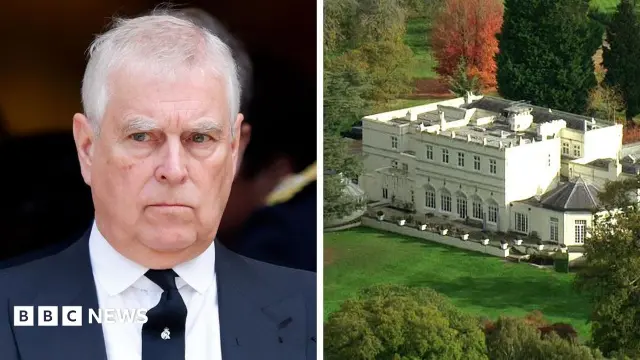
Andrew Mountbatten-Windsor reportedly earned up to £2,000 each month by sub-letting three cottages located at his former residence, Royal Lodge, despite not having to pay any rent himself, according to findings from the Public Accounts Committee. During an inquiry into the Crown Estate, the committee noted that Mountbatten-Windsor did not consistently rent out all three properties, so the total income generated over his more than two decades living there remains unclear. Importantly, the revenue from sub-letting was received directly by Mountbatten-Windsor and not by the Crown Estate, which owns the property.
Mountbatten-Windsor had obtained a 75-year lease on Royal Lodge in 2003 and invested approximately £7.5 million in renovations and other expenses, which granted him exemption from paying rent. However, investigations revealed that the cottages he rented out were intended for staff and leased at below-market rates. The Crown Estate admitted it had no control over how much Mountbatten-Windsor charged tenants. The lease did permit sub-letting, but MPs on the committee have recommended that future contracts should prohibit sub-letting unless the landlord explicitly agrees.
Following Mountbatten-Windsor’s departure from Royal Lodge—amid controversies surrounding his connections to Jeffrey Epstein—further financial details emerged. Though he was entitled to about £300,000 for surrendering his lease early, a repair bill amounting to £1.8 million for dilapidations to the property exceeded this. Consequently, the Crown Estate was owed around £1.5 million, which King Charles covered on his brother’s behalf. The report also expressed concern about the rent charged to non-working members of the royal family residing in three royal properties, including Mountbatten-Windsor’s daughters, Princess Beatrice and Princess Eugenie, and Prince and Princess Michael of Kent. It was revealed earlier in the year that Beatrice and Eugenie do not pay rent themselves for their apartments in St James’s Palace and Kensington Palace; instead, the King pays rent from his private income.
Additional criticisms were raised regarding the Crown Estate’s management, particularly its heavy concentration of urban properties in London and the southeast of England. MPs advocated for a more balanced geographic distribution of assets. There were also significant warnings about the increasing administrative costs of running the Crown Estate. Since the 2020-21 financial year, administrative expenses grew by 129%, and during the same period, the salary of the chief executive, Dan Labbad, more than doubled, with his total compensation package projected to reach £2.3 million in 2025-26. Responding to the report, a spokesperson for the Crown Estate acknowledged the importance of the Public Accounts Committee’s findings, noting that they were reviewing the recommendations and intended to respond formally in due course
On air now
Low-Fi Lounge